블로그

  • Basic Dental Care 101

    Basic Dental Care 101

    Basic Dental Care 101

    When considering dental care, many individuals in Ansan often express uncertainties about what basic dental care entails.
    During consultations, we frequently hear questions such as, "What should I be doing to maintain my dental health?" or "How often should I visit the dentist for check-ups?" These inquiries highlight the need for an understanding of foundational dental practices that can significantly impact oral health.

    The topic of basic dental care is particularly relevant in Ansan, where a growing awareness of oral hygiene has led many to seek clarification on best practices.
    However, confusion often arises around what constitutes effective dental maintenance

    블로그 이미지

    For instance, many people wonder whether brushing twice a day is truly sufficient or if additional steps are necessary.
    In many cases, individuals may feel overwhelmed by the plethora of information available online, leading to misconceptions about their dental routines.

    One common misunderstanding regarding dental treatment is the belief that only immediate problems require attention.
    Some individuals might think, "If I’m not in pain, I don’t need to see a dentist." This could not be further from the truth.
    Regular check-ups are crucial for early detection of issues that may not yet present symptoms.
    Another misconception is the effectiveness of over-the-counter dental products

    While they can aid in maintaining dental hygiene, they cannot replace professional care.
    Understanding these aspects can guide individuals in making informed decisions regarding their dental health.

    When evaluating one's dental care needs, it is essential to consider different scenarios.
    Case A involves someone who regularly practices good oral hygiene but still experiences issues.
    This may indicate underlying problems that require professional assessment.
    Case B features an individual who avoids dental visits due to anxiety.
    This person may benefit from exploring alternatives to traditional dental care that can accommodate their needs.
    Lastly, Case C describes a person who is unsure about the frequency of their visits

    블로그 이미지

    Establishing guidelines based on individual risk factors is crucial here.
    Each scenario illustrates that judgment criteria can vary significantly based on personal circumstances.

    There are also situations where additional confirmation from a dental professional may be warranted.
    For example, if you notice changes in your gums or persistent bad breath, it can be beneficial to seek a dental evaluation.
    However, it’s important to approach these situations calmly and without fear.
    Understanding when to seek help can empower individuals to take control of their oral health without unnecessary anxiety.
    Remember, maintaining a dialogue with your dental care provider can lead to better outcomes and a clearer understanding of your own dental health needs.


  • Ansan Non prep veneers Guide

    Ansan Non prep veneers Guide

    Ansan Non prep veneers Guide

    When considering dental treatments, particularly non-prep veneers, individuals in Ansan often grapple with numerous questions.
    During consultations, we frequently hear inquiries like, "Are non-prep veneers right for me?" or "What should I know before deciding on this treatment?" These questions highlight the importance of understanding the nuances of dental care and the various options available.

    The interest in non-prep veneers has surged in recent years, particularly in Ansan, due to their promise of a less invasive approach compared to traditional veneers.
    However, this topic is often met with confusion.
    Many individuals assume that non-prep veneers are a one-size-fits-all solution

    블로그 이미지

    In many cases, patients misunderstand the limitations and requirements associated with this treatment, leading to unrealistic expectations about the results that can be achieved.

    To clarify common misconceptions, it’s essential to discuss how non-prep veneers differ from other cosmetic dental options.
    Some patients believe that these veneers can completely transform their smile without any preparation or adjustments to the existing teeth.
    In reality, while non-prep veneers can enhance the appearance of teeth, they may not be suitable for everyone.
    Factors such as tooth alignment, existing dental issues, and personal aesthetic goals play

    significant roles in determining whether this treatment is appropriate.

    When evaluating whether non-prep veneers are suitable for you, consider various scenarios.
    For instance, Case A might involve a patient with minor discoloration and a desire for a subtle change.
    In this instance, non-prep veneers could be a good fit.
    Case B, however, may involve a patient with significant misalignment, where non-prep options might not provide the desired results.
    Lastly, Case C could represent someone who has had previous dental work that must be considered before proceeding.
    Each case illustrates how individual circumstances can lead to different judgments regarding treatment options

    블로그 이미지

    Finally, some situations warrant further evaluation before deciding on non-prep veneers.
    If you have underlying dental health issues, such as gum disease or cavities, it is crucial to address these first.
    Similarly, if you are uncertain about the aesthetic outcome, seeking a second opinion or additional consultation can provide clarity and help you feel more confident in your decision.
    By taking the time to thoroughly assess your situation and understand the nuances of non-prep veneers, you can make a more informed choice regarding your dental care.


  • Oral Hygiene Care Tips

    Oral Hygiene Care Tips

    Oral Hygiene Care Tips

    Many people in Ansan often ask questions about oral hygiene care during their dental consultations.
    They might wonder about the best practices to maintain healthy teeth or how to prevent common dental issues.
    These inquiries are not just limited to those seeking treatment; they extend to individuals who want to ensure they are doing everything possible for their dental health.
    Understanding the nuances of oral hygiene can be overwhelming, especially with the abundance of information available today.

    It's common to find confusion surrounding oral hygiene care

    블로그 이미지

    Many residents are unsure about the effectiveness of various products or techniques.
    For instance, some believe that using a hard-bristled toothbrush is essential for a thorough clean, while others are led to think that mouthwash can replace regular brushing.
    In many cases, these misconceptions can lead to inadequate oral care, which may affect overall dental health.
    Addressing these misunderstandings is crucial for enabling individuals to make informed choices about their routines.

    When considering oral hygiene care, different situations can influence how one approaches dental health

    For example, Case A might involve someone with braces, who needs to adopt specialized cleaning techniques.
    Case B could be a person with sensitive gums, requiring gentle products and specific methods to avoid irritation.
    In contrast, Case C may represent someone with no significant dental issues, relying on standard practices.
    Each case illustrates that judgment criteria vary based on individual circumstances, highlighting the importance of personalized care.

    There are also scenarios where additional confirmation from a dental professional is beneficial

    블로그 이미지

    For instance, if someone experiences persistent bad breath despite following a rigorous oral hygiene routine, it may be a sign of an underlying issue that requires further evaluation.
    Similarly, individuals who notice changes in gum color or texture should consider seeking advice.
    These situations emphasize the importance of consulting a dental expert for tailored guidance and reassurance.
    By being aware of these conditions, individuals can better navigate their dental care decisions without unnecessary anxiety.


  • Ansan Non prep veneers Guide

    Ansan Non prep veneers Guide

    Ansan Non prep veneers Guide

    Many people in Ansan often find themselves pondering questions about dental treatments, particularly regarding non-prep veneers.
    During consultations, we frequently hear inquiries such as, "Are these veneers truly a good option for my teeth?" or "What should I be aware of before considering this treatment?" These questions highlight the common interest and, at times, confusion surrounding cosmetic dental options.

    The rising interest in non-prep veneers can often stem from the desire for a quick and less invasive cosmetic solution

    블로그 이미지

    However, many individuals are unsure about what this entails.
    In many cases, the misconception arises that non-prep veneers do not require any changes to the natural tooth structure.
    While it's true that these veneers are designed to be thinner and less invasive, it’s crucial to understand that not everyone is an ideal candidate.
    Factors such as the health of your teeth, alignment, and bite can all influence the suitability of this treatment.

    To further clarify, let’s consider three different scenarios

    In Case A, a patient has naturally aligned teeth but seeks to cover minor imperfections.
    In this scenario, non-prep veneers might be a suitable option.
    In Case B, a patient’s teeth are misaligned and crowded; in such a case, traditional orthodontic treatment might be more appropriate before considering any cosmetic enhancements.
    Lastly, in Case C, a patient with significant decay or damage might need restorative work prior to discussing veneers.
    Each case emphasizes the importance of personalized assessments in determining the best course of action

    블로그 이미지

    There are also situations where further evaluation can be beneficial.
    For instance, if a patient has undergone previous dental treatments or has underlying dental issues, additional confirmation through X-rays or assessments could provide critical insights.
    This approach helps in making informed decisions without inciting unnecessary concern.
    Ultimately, understanding your unique dental situation, along with professional guidance, is key to navigating the world of cosmetic dentistry effectively.


  • Essential Dental Clinic in Korea

    Essential Dental Clinic in Korea

    Essential Dental Clinic in Korea

    When considering a dental clinic in Korea, individuals often find themselves asking questions like, "What should I prioritize during my search?" or "How do I know if a certain treatment is right for me?" These inquiries reflect the common concerns that arise during consultations, particularly in regions like Ansan, where the availability of various dental services can lead to confusion regarding options and standards of care.

    In many instances, people search for information about dental clinics due to a specific dental issue or pain.
    However, the confusion often stems from differing opinions among practitioners and the overwhelming amount of information available online

    블로그 이미지

    For those in Ansan, understanding the local context—such as the types of treatments offered or the clinic’s reputation—can significantly influence their decision-making process.
    It's important to recognize that not every clinic will provide the same quality of care, and being informed is crucial.

    Common misconceptions about dental treatments can also complicate the decision-making process.
    For example, some individuals believe that all procedures are painful or that they will require extensive time commitments.
    During consultations, it’s not uncommon to hear patients express fear of the unknown, often based on hearsay rather than factual information

    Clarifying these misunderstandings can help individuals approach their dental health with a clearer mindset, allowing for more informed choices.

    Consider three different cases: Case A involves a patient seeking a routine check-up without any apparent issues; Case B is a person experiencing chronic discomfort; and Case C is an individual interested in cosmetic enhancements.
    Each situation requires a different perspective and set of judgment criteria.
    For Case A, the emphasis may be on preventive care; for Case B, a thorough evaluation of symptoms is essential; and for Case C, understanding the potential outcomes and risks of cosmetic procedures becomes vital

    블로그 이미지

    In scenarios where a patient feels uncertain, such as those involving complex procedures or unfamiliar treatments, seeking a second opinion can be beneficial.
    This approach ensures that individuals feel confident in their treatment plans without inducing unnecessary fear about the process.

    Ultimately, when navigating the landscape of dental clinics in Korea, being equipped with accurate information and understanding one's specific situation can make a significant difference.
    Engaging in open conversations with dental professionals can provide clarity and help establish a personalized approach to dental care.


  • Top English Speaking Dental Clinic Tips

    Top English Speaking Dental Clinic Tips

    Top English Speaking Dental Clinic Tips

    When considering dental treatment, many individuals in Ansan often express similar concerns.
    During consultations, we frequently hear questions like, "How do I know if I'm choosing the right treatment for my needs?" or "What should I expect from a dental clinic that caters to English speakers?" These inquiries highlight the importance of understanding one’s situation before making a decision.
    The landscape of dental care can be overwhelming, especially for those who are not familiar with the terminology or procedures involved.

    In many cases, patients may search for information about dental treatments due to confusion

    블로그 이미지

    surrounding their symptoms or the procedures recommended by their dental professionals.
    For instance, a common scenario arises when patients are unsure whether their tooth pain requires immediate attention or if it can wait.
    This uncertainty often leads to online searches for terms like "emergency dental care" or "best practices for tooth pain relief." The abundance of information available can sometimes add to the confusion rather than clarify the situation.

    Misunderstandings about dental treatments are also prevalent.
    Many individuals worry that they will be pressured into undergoing treatments they do not fully understand or that they may not need

    For example, a patient might believe that any tooth decay automatically means they need a filling, while in reality, the treatment options can vary based on the severity of the decay.
    It's essential to engage in open conversations with dental professionals, who can provide insights tailored to individual circumstances, rather than relying solely on generalized information.

    Consider three hypothetical cases: Case A involves a patient experiencing a mild toothache who is contemplating whether to seek treatment.
    Case B features someone with more severe pain, unsure if it warrants an emergency visit

    블로그 이미지

    Finally, Case C consists of a patient with a diagnosed cavity weighing the necessity of immediate treatment versus monitoring the situation.
    Each case requires different judgment criteria based on the severity of symptoms, the patient's overall dental health, and personal comfort levels.
    In situations requiring additional confirmation, such as persistent pain or anxiety about treatment options, it may be advisable to seek a second opinion or further evaluation from a qualified dental professional.
    This approach can help clarify the best path forward without inducing unnecessary stress or fear.


  • Understanding Ansan Implants

    Understanding Ansan Implants

    Understanding Ansan Implants

    When considering dental treatment, particularly in Ansan, many individuals find themselves grappling with numerous questions.
    During consultations, we often hear inquiries such as, "What should I know about implants?" or "How do I determine if I am a good candidate for this procedure?" The complexity of dental implants can lead to confusion, making it essential to clarify these aspects for informed decision-making.

    The topic of implants is frequently searched in Ansan due to a growing awareness of dental health and advancements in technology

    블로그 이미지

    However, confusion often arises regarding the different types of implants available and the specific conditions that warrant their use.
    Many patients express uncertainty about what makes them eligible for these treatments, which can lead to misconceptions about the process, potential outcomes, and recovery times.

    One common misunderstanding is that all patients are suitable candidates for implants.
    In many cases, factors such as bone density, age, and overall health play crucial roles in determining eligibility

    For instance, Case A might involve a younger patient with no significant health issues, presenting a favorable scenario for implants.
    Conversely, Case B may involve an older individual with bone loss, requiring additional assessments before making a recommendation.
    Finally, Case C could depict a patient with a chronic condition that mandates special considerations.
    Each of these situations illustrates that judgment criteria vary significantly based on individual circumstances.

    There are also specific cases where further confirmation is advisable

    블로그 이미지

    For example, if a patient has a history of gum disease, additional evaluations might be necessary to ensure that the gums are healthy enough to support implants.
    Similarly, individuals with medical conditions, such as diabetes, may benefit from comprehensive assessments to determine the best course of action.
    It's important to approach these situations with care, allowing patients to feel informed and assured without inducing unnecessary concern.


  • Scaling Essentials

    Scaling Essentials

    Scaling Essentials

    When considering dental care, individuals in Ansan often find themselves grappling with questions about treatments like scaling.
    During consultations, we frequently hear inquiries such as, "How often should I have my teeth scaled?" or "What exactly does scaling involve?" These questions highlight a common concern regarding oral hygiene and preventative care, especially as people strive to maintain healthy teeth and gums.

    The topic of scaling is often searched for in Ansan because many individuals are unsure about the frequency and necessity of this procedure.
    In many cases, people may confuse scaling with other dental treatments like polishing or whitening

    블로그 이미지

    This confusion often arises from the lack of clear information on what scaling entails and its importance in maintaining oral health.
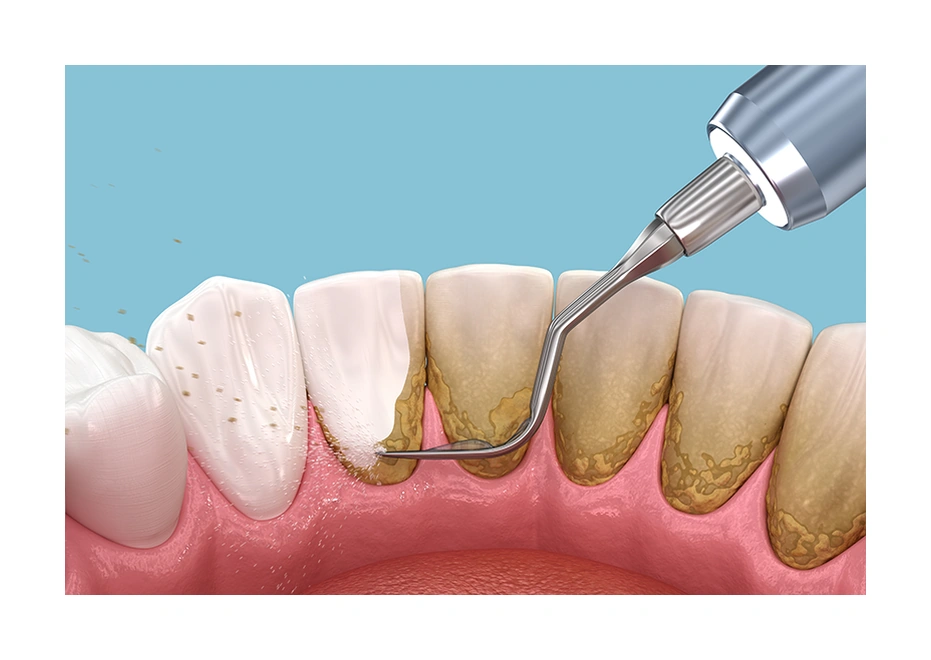
    While scaling is a preventative measure designed to remove tartar and plaque buildup, it can sometimes be misunderstood as purely cosmetic, leading to uncertainty about its necessity.

    There are several misconceptions surrounding scaling that deserve clarification.
    For instance, some believe that scaling is only necessary for those with visible plaque or gum issues.
    However, even individuals with seemingly healthy teeth can benefit from regular scaling to prevent potential problems down the line.
    Additionally, there is a notion that scaling can damage teeth

    or gums; in reality, when performed by a qualified professional, scaling is a safe procedure that contributes to overall oral health.
    It’s essential to approach every dental treatment with a clear understanding of its purpose and benefits.

    When evaluating whether scaling is appropriate for you, consider different scenarios.
    Case A: If you have a history of gum disease, more frequent scaling may be advisable.
    Case B: If you maintain a rigorous oral hygiene routine and have regular dental check-ups, less frequent scaling might suffice.
    Case C: For individuals with braces or other dental appliances, scaling may be needed more often due to the increased likelihood of plaque accumulation

    블로그 이미지

    Each case requires a personalized approach, and it’s important to discuss your specific needs with your dental care professional to establish the best course of action.

    There are also certain situations where further evaluation may be necessary before proceeding with scaling.
    For example, if you experience persistent gum bleeding or discomfort, it’s wise to seek additional confirmation from your dentist to rule out underlying conditions.
    Being proactive about your oral health can help ensure that you receive the most appropriate care tailored to your situation.
    Remember, it’s always best to consult with a dental professional to guide you through your specific needs and concerns regarding scaling and overall dental care.


  • Ansan Dental Clinic Tips

    Ansan Dental Clinic Tips

    Ansan Dental Clinic Tips

    When considering dental treatment, many individuals in Ansan often find themselves asking similar questions during consultations.
    Queries about what to expect, how to choose the right treatment, and the implications of various procedures are common.
    This leads to a need for clear information that can aid in making informed decisions about dental care.

    The frequent search for dental treatment options in Ansan often stems from a mix of curiosity and confusion.
    Many people are unsure about the differences between routine check-ups, cosmetic procedures, and necessary treatments for dental issues

    블로그 이미지

    This uncertainty can lead to misconceptions about what treatments actually entail, which can be daunting for someone exploring their options.

    Misunderstandings regarding dental procedures are prevalent.
    For instance, some might think that cosmetic treatments are purely for aesthetic purposes and not consider their functional benefits.
    Others may worry that all dental work is painful or invasive, leading them to postpone necessary care.
    It’s important to clarify that while every procedure has its nuances, many treatments are designed with patient comfort in mind and can significantly improve overall oral health

    To navigate these waters, let's consider a few scenarios.
    Case A involves a patient who has been experiencing sensitivity and is unsure whether to pursue treatment.
    In this instance, they should consider the severity of their symptoms and how it affects their daily life.
    Case B features a person interested in whitening treatments but uncertain about the safety.
    Here, evaluating their dental health and discussing options with a professional is key.
    Finally, Case C is someone who has a dental emergency but hesitates to seek help due to fear of costs or pain

    블로그 이미지

    This situation highlights the importance of addressing immediate concerns to prevent long-term issues.

    There are instances where additional confirmation is beneficial.
    For example, if a patient notices persistent swelling or pain, it’s advisable to seek a thorough evaluation.
    Similarly, when contemplating significant cosmetic changes, getting a second opinion can provide clarity and confidence.
    Understanding these aspects can help individuals feel more empowered in their dental health journey.


  • Prosthodontics 101

    Prosthodontics 101

    Prosthodontics 101

    When considering dental treatment, particularly prosthodontics, many individuals in Ansan often find themselves with numerous questions.
    During consultations, we frequently hear inquiries such as, "What exactly does prosthodontics involve, and is it the right choice for me?" These questions reflect common concerns and uncertainties about the procedures and options available.
    The aim here is to provide clarity on these issues, helping readers make informed decisions regarding their dental health.

    Prosthodontics is a specialized field that deals with the design, manufacture, and fitting of artificial replacements for teeth and other parts of the mouth

    블로그 이미지

    This area is sought after for various reasons, such as restoring the function of a smile, enhancing aesthetics, and improving overall oral health.
    However, confusion often arises regarding when and why these treatments are necessary.
    Many people mistakenly believe that prosthodontics is solely for those who have lost teeth due to decay or injury.
    In many cases, treatment may also be beneficial for individuals with severe wear or misalignment of teeth, which can lead to further complications if left unaddressed.

    Misunderstandings about prosthodontics can lead to hesitation in seeking treatment.
    For instance, a common misconception is that all prosthodontic solutions are invasive or require extensive procedures

    This is not the case; while some treatments may involve surgery, there are also less invasive options available.
    Many patients worry that they need to choose between immediate solutions and long-term care, but it's essential to understand that each case is unique.
    Factors such as personal health history, dental condition, and lifestyle play significant roles in determining the best course of action.

    When evaluating the need for prosthodontic treatment, it's helpful to consider different scenarios.
    Case A might involve a patient with a single missing tooth seeking a dental implant.
    In contrast, Case B could represent someone with multiple missing teeth looking into a complete denture

    블로그 이미지

    Finally, Case C might be a person experiencing significant wear on their teeth but not necessarily missing any.
    Each situation requires different considerations and approaches.
    In cases like these, additional evaluation may be beneficial, especially if individuals are experiencing discomfort or have specific aesthetic goals in mind.
    A thorough assessment can provide valuable insights into the best treatment path without inducing unnecessary anxiety.

    As you reflect on your dental health, consider the various factors that contribute to your unique situation.
    Seeking professional advice is crucial, and asking the right questions can help you navigate your journey in prosthodontics effectively.